Flat stair cleaning in Haringey tips for tight access
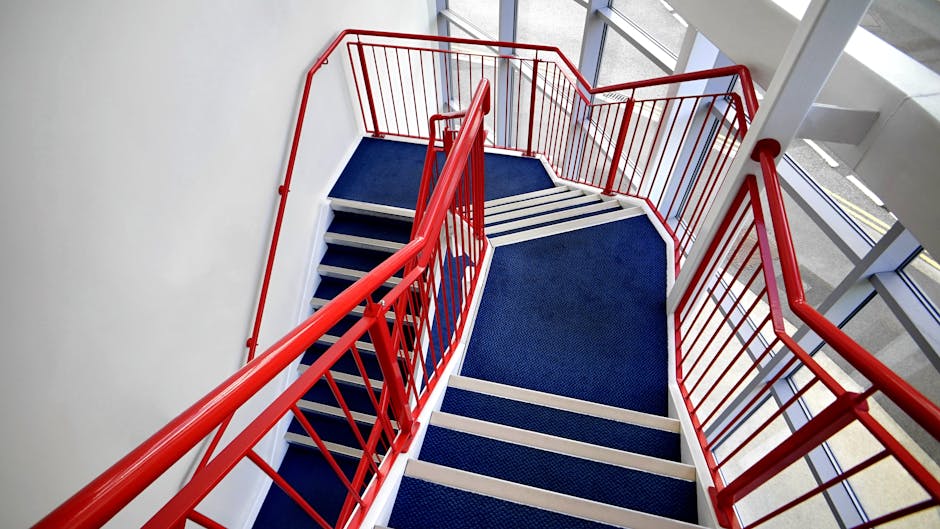
If you live in a Haringey flat, you already know the issue: the stairs look simple on paper, but in real life they can be narrow, bendy, awkwardly lit, and just a bit unforgiving. Add tight access, shared entrances, turning landings, or a cleaner carrying equipment up a few floors, and even a routine clean starts needing proper planning. That is where Flat stair cleaning in Haringey tips for tight access really matter. Done well, it protects the carpet, keeps common areas tidy, and avoids those small disasters nobody wants - scuffed walls, damp smells lingering in the stairwell, or a machine that simply will not fit through the gap.
This guide breaks down what matters most, how the process works, what to ask before booking, and the practical details that make a big difference in tight-access flats. You will also find a checklist, a comparison table, and answers to the questions people usually ask when they are trying to clean stairs in a London flat without turning the day into a headache.
Why Flat stair cleaning in Haringey tips for tight access Matters
Stairs in flats take more abuse than people often realise. Shoes bring in grit from the pavement, dust collects along edges, and spills can settle into the pile where a quick vacuum never quite reaches. In older Haringey properties, the stair layout can be especially awkward: narrow flights, low ceilings, door frames close to the turn, and railings that make moving larger cleaning kit feel like a puzzle. If you are thinking, "Surely it is just stairs?" - well, not quite.
Tight access changes everything. It affects the equipment that can be used, how long the job takes, whether furniture needs to be moved, and how much protection is needed for the walls and corners. A rushed approach can leave moisture trapped in the pile or dirt pushed deeper into the fibres. The result? The carpet may look cleaner for a day, then show old traffic marks again when it dries. Not ideal.
For households, landlords, and managing agents, proper stair cleaning is about more than appearance. It helps reduce wear, supports a better first impression, and can make shared spaces feel less tired. If the stair carpet is part of a wider clean, it often makes sense to review related services too, such as professional carpet cleaning or targeted stain removal where spots are especially stubborn.
How Flat stair cleaning in Haringey tips for tight access Works
The basic idea is straightforward: identify the access limitations first, then choose a cleaning method that fits the space rather than forcing the space to fit the method. That sounds obvious, but in practice people often do the reverse. They book a one-size-fits-all clean, only to discover the vacuum hose is too bulky, the machine sits awkwardly on the landing, or the drying time is longer than expected because airflow is poor.
In a tight-access flat, a cleaner normally starts with a quick assessment. That includes stair width, landing size, turns, carpet material, available water supply, electrical access, and any fragile surfaces nearby. If the stairs are in a communal hallway, good planning also includes timing, noise, and protecting the shared route. A sensible provider will usually flag any limitations in advance and adjust the method accordingly. Truth be told, the best stair cleans often look calm because the preparation was anything but.
Depending on the carpet condition, the clean may involve hot water extraction, low-moisture cleaning, spot treatment, or careful vacuuming and grooming. If the stair carpet is heavily marked or has a damp, stale smell, a broader treatment may be needed, and that is where steam carpet cleaning can be useful, provided the fabric and access conditions suit it. For soft furnishings nearby, some teams may also recommend upholstery cleaning so the whole area feels consistent rather than half-done.
Key Benefits and Practical Advantages
There are a few reasons people specifically ask for stair-cleaning advice in tight-access flats, and they are not just cosmetic. The biggest benefit is that a well-planned clean reduces hassle. No dragging heavy kit through narrow halls. No awkward damage to skirting boards. No guesswork about how long the stairs will stay damp.
- Better fit for small spaces: compact methods and careful routing avoid unnecessary disruption.
- Reduced wear: deep grit is lifted before it rubs the fibres flat.
- Cleaner shared areas: especially useful in converted houses and maisonettes with communal access.
- More predictable drying: important when people still need to use the stairs the same day.
- Less risk of damage: protective technique matters where walls, paintwork, and corners are close together.
There is also a comfort factor people tend to underestimate. You notice it at night when the stair treads feel fresher underfoot, or in the morning when the hallway no longer carries that slightly dusty smell. Small thing, maybe. But those small things matter in flats.
For rental properties, tight-access cleaning can also support a quicker turnover between tenancies. Landlords and agents often combine stair work with related tasks like rug cleaning or sofa cleaning if the flat needs a general reset before new occupants arrive.
Who This Is For and When It Makes Sense
This topic is especially relevant if you live in a top-floor flat, a converted period property, a maisonette with split-level stairs, or any home where the access route is narrow enough to make even a modest machine feel clumsy. It is also useful for landlords, letting agents, housing managers, and anyone looking after small blocks with shared stair access. If you have ever tried turning a hose around a tight landing without banging into a wall, you will understand the appeal pretty quickly.
It makes sense to prioritise stair cleaning when:
- traffic marks are building up on the stair nosing and edges;
- pets have brought in mud or left odours on the landing steps;
- a tenancy is ending or starting soon;
- someone has tracked in drink, food, or oily residue;
- the stair carpet has flattened and looks dull even after vacuuming;
- the access route is so tight that a standard DIY clean may be awkward or messy.
If pet accidents are part of the problem, it can help to look at pet stain and odour removal as part of the plan, rather than treating the smell as a separate issue later. Smells have a funny way of hanging around, don't they?
Step-by-Step Guidance
Here is the cleanest way to approach stair cleaning in a flat where space is limited. The sequence matters. Skipping ahead often creates more work later.
- Measure the access first. Check stair width, landing depth, door swings, and any awkward corners. If a machine or wand cannot turn comfortably, plan a smaller method from the start.
- Clear the route. Move shoes, mats, folded buggies, coats, and anything else that narrows the passage. Even one small item on a landing can become a trip hazard.
- Vacuum thoroughly. Dry soil removal is essential. Get into the edges, the risers, and the junction where the carpet meets the wall. This step is boring, yes, but it saves the rest of the job.
- Spot-treat visible marks. Apply suitable pre-treatment to spills, scuffs, and traffic lanes. Let it dwell long enough to soften the residue.
- Use a method suited to the carpet and access. For some flats, low-moisture cleaning is the smarter choice. For others, a deeper extraction clean is fine if the drying conditions are manageable.
- Work from top to bottom. This helps manage runoff and avoids re-soiling cleaned areas.
- Check ventilation and drying. Open windows if practical, use airflow where safe, and avoid over-wetting. A tight stairwell can hold moisture longer than you expect.
- Inspect the edges and landing. The corners usually reveal what the main pass missed. They always do, almost annoyingly so.
If you are comparing service levels or trying to understand what is included, it is worth reviewing pricing and quotes alongside the clean itself. Access issues can affect preparation time, and a transparent quote should reflect that clearly.
Expert Tips for Better Results
One of the best tips is simple: clean for the staircase you actually have, not the one you wish you had. In tight-access Haringey flats, small adjustments make a huge difference.
- Choose low-profile equipment where possible. Compact tools reduce collision risk in narrow hallways.
- Protect corners before starting. Lightweight guards or folded towels can save paintwork and reduce stress.
- Test any treatment on a hidden patch first. Stair carpets can react differently at the edge, especially if they are older or lightly faded.
- Do not soak the pile. More water is not more clean. It is just more water. And more drying time.
- Work the pile in the same direction. It improves the finish and helps the staircase look more even once dry.
- Plan the timing. Early morning or mid-day appointments often suit flats better than late evening cleans, especially if residents still need the stairs that night.
Another useful habit is to think about the whole flat environment. If the stair carpet leads into a living room with heavier traffic or pet use, the clean may be more effective when paired with sofa cleaning or even mattress cleaning. That is not always necessary, but in smaller flats the whole place tends to share the same dust and odour patterns.
And yes, if you are doing a DIY tidy-up before a professional visit, a handheld brush and a patience-first attitude help more than any miracle spray on the shop shelf. Sadly.
Common Mistakes to Avoid
Tight access magnifies small mistakes. A shortcut that might pass unnoticed in a wide hallway can become a real problem in a narrow stairwell.
- Using a machine that is too large for the route. If it barely fits, it will barely work comfortably.
- Skipping dry soil removal. Dirt left behind will keep grinding into the fibres.
- Over-wetting the stairs. This can slow drying and leave a musty note in enclosed areas.
- Ignoring the landing and edges. Those are the most visible parts once the clean is finished.
- Cleaning without checking shared access. In some buildings, timing and noise matter as much as technique.
- Using the stairs too soon. Even a decent clean needs proper drying time. Rushing it can flatten damp fibres or spread residue.
One common mistake we see is treating stair cleaning as an isolated job when the whole access route is actually the issue. If the corridor, entrance mat, or nearby upholstery is dirty, the staircase will get dirty again quickly. It is a bit like polishing the front door while leaving the doormat muddy.
Tools, Resources and Recommendations
You do not need a warehouse of equipment to handle a stair clean well, but the right tools matter. For tight-access work, compactness and control matter more than brute force.
| Approach | Best for | Strengths | Limitations |
|---|---|---|---|
| Compact vacuuming and spot treatment | Light maintenance, regular refreshes | Fast, low disruption, good for daily dust and debris | Limited on deep staining or embedded soil |
| Low-moisture cleaning | Tight flats, shared stairwells, quicker drying needs | Controlled moisture, easier in small spaces | May need more than one pass for heavy soil |
| Hot water extraction | Deeper carpet refresh where access allows | Strong deep-clean performance on many carpets | Drying and manoeuvrability can be a challenge |
| Specialist stain treatment | Spills, marks, odour-prone spots | Targets the problem area without overworking the whole stair | Needs good product selection and patience |
For properties that need more than a stair-only clean, it can also be sensible to look at commercial carpet cleaning if the building is managed collectively, or curtain cleaning where dust is circulating through a compact flat and settling everywhere. Different spaces, same gritty reality.
If you want a wider overview of the company's service approach, policies, and practical standards, useful pages include health and safety policy, insurance and safety, and recycling and sustainability. Those pages are especially helpful if you care about how work is planned as well as how it looks when finished.
Law, Compliance, Standards, or Best Practice
For stair cleaning in flats, the main compliance concerns are usually practical rather than dramatic: safe movement through shared areas, sensible use of cleaning products, and avoiding damage or hazards for residents. In the UK, it is normal to follow general health and safety best practice, risk awareness, and manufacturer guidance for equipment and detergents. In smaller buildings, that often means keeping walkways clear, checking for trip hazards, and allowing enough drying time before normal use resumes.
If a staircase is in a communal area, it is wise to consider other occupants. That means scheduling work at a time that avoids disruption, keeping noise reasonable, and protecting shared surfaces. If a cleaner is using a powered machine or a wet process, safe cable management and dry floor warnings are basic common sense, but still easy to overlook when everyone is in a hurry.
It is also sensible to ask whether the provider carries appropriate cover and follows documented procedures. Pages such as terms and conditions, payment and security, and the company's accessibility statement can help you understand how the service is organised and what to expect.
Expert summary: tight-access stair cleaning works best when the method is matched to the building, the carpet, and the drying conditions - not just the stain. Measure first, protect surfaces, keep moisture controlled, and plan for the real-world use of the stairs after the clean.
Options, Methods, or Comparison Table
If you are deciding how to clean stairs in a flat with tight access, the best choice usually depends on three things: space, soil level, and how quickly the stairs need to be back in use. Here is a practical comparison.
| Method | Access suitability | Drying time | Best use case |
|---|---|---|---|
| DIY vacuum and spot clean | Very good | Minimal | Routine upkeep, light marks, weekly maintenance |
| Portable low-moisture professional clean | Excellent | Short to moderate | Narrow stairwells, compact landings, quicker turnarounds |
| Deep extraction clean | Good if access allows | Moderate | Heavier soil, dull traffic lanes, periodic deep refresh |
| Targeted stain treatment only | Excellent | Low | Single spill, small isolated problem, pre-sale or end-of-tenancy touch-up |
In many Haringey flats, the most practical answer is a mix of methods rather than one big dramatic clean. A targeted stain treatment on the landing, careful vacuuming on the stairs, and a controlled moisture clean where needed can outperform a heavy-handed one-pass approach. Quietly effective. That is usually the goal.
Case Study or Real-World Example
Picture a compact top-floor flat in a converted Victorian terrace. The staircase is narrow, the landing bends sharply, and there is hardly enough room to stand aside while someone passes. The resident had a few issues at once: traffic marks on the steps, a faint pet smell near the turn, and a couple of dark patches where drinks had been carried up in a hurry. Very normal, really. Life happens.
The first step was not cleaning. It was planning. The access route was measured, shoes and clutter were removed from the landing, and the cleaner chose a smaller, low-moisture approach instead of trying to manoeuvre a bigger machine through the turn. The carpet was dry-vacuumed thoroughly, then spot-treated in the marked areas. The pet odour was addressed with a targeted treatment, and the stairs were left with airflow from open windows for drying.
What made the difference was not a miracle product. It was restraint. The cleaner did less in some places and more in others. The result was a stairway that looked refreshed without feeling overworked or damp. The resident could still use the stairs comfortably later that day. No drama, no soggy carpet, no mystery smell lingering by evening.
Practical Checklist
Use this checklist before arranging or carrying out flat stair cleaning in a tight-access property.
- Measure stair width and landing space.
- Check where larger equipment can turn, if at all.
- Remove clutter, mats, and loose items from the access route.
- Identify the main stains, smells, and traffic areas before starting.
- Choose a cleaning method that suits the carpet and the drying conditions.
- Protect walls, corners, and fragile paintwork.
- Keep water use controlled, especially in enclosed stairwells.
- Allow enough drying time before normal foot traffic resumes.
- Ask about safety, insurance, and service terms if you are hiring help.
- Combine stair cleaning with other relevant flat services if the whole space needs a reset.
If you are still deciding how much work is needed, a quick chat and a clear estimate are usually better than guessing. The site's contact page is the sensible next stop if you want to discuss access issues, flat layouts, or whether the job needs a targeted or full-clean approach.
Conclusion
Flat stair cleaning in Haringey with tight access is not about forcing a standard cleaning method into an awkward space. It is about working with the layout, protecting the property, and using a process that makes sense for real flats, real stairwells, and real people who still need to get up and down them afterwards. Measure first, keep moisture under control, and do not underestimate the value of careful prep. That is usually what separates a good result from a frustrating one.
When the access is narrow, the smallest details matter most: the angle of the turn, the dry time, the edge of the step, the bit by the wall that gets missed if you rush. Get those right and the whole space feels better, lighter somehow. And in a flat, that counts for a lot.
Get a free quote today and see how much you can save.
For a bit more background on the business and how it works, you may also find the about us page useful. It is worth a look if you want a better sense of the people behind the service before booking.
Frequently Asked Questions
What makes flat stair cleaning in Haringey different from a normal carpet clean?
The main difference is access. Flat stairs are often narrower, steeper, and harder to move equipment through, so the cleaning method has to suit the building rather than the other way around. That usually means more careful planning, smaller tools, and tighter control of moisture.
Can stairs in a small flat be cleaned without heavy machinery?
Yes. In many tight-access properties, low-moisture cleaning, focused stain treatment, and thorough vacuuming are the most practical options. Heavy machinery is not always the best fit, and sometimes it is simply unnecessary.
How long do stairs take to dry after cleaning?
It depends on the method, carpet thickness, ventilation, and how much moisture was used. A light clean may dry quite quickly, while deeper extraction work can take longer. In enclosed stairwells, airflow matters more than people think.
Is steam cleaning safe for stair carpets in flats?
It can be, provided the carpet type and access conditions are suitable. The key is not to over-wet the fibres and to make sure drying is managed properly. If the stairwell is cramped, a lower-moisture method may be a better choice.
What should I measure before booking a cleaner?
Measure the stair width, landing size, any awkward turns, and the route from the entrance to the staircase. If there is a communal hallway, check whether equipment can be moved through it without blocking others.
Can I clean stair carpets myself in a tight flat?
Yes, if the marks are light and you are mainly doing maintenance. Vacuuming, brushing, and spot treating are often enough for routine care. For heavier staining or odour, a professional clean is usually more effective.
How do I stop cleaning from damaging the walls or paintwork?
Use protective coverings on corners, move carefully on the landing, and choose equipment that does not scrape the walls as it passes. Tight access is where small knocks happen most often, so a bit of padding and patience goes a long way.
Do I need to move furniture or hallway items first?
Usually, yes. Shoes, mats, prams, plant pots, and anything else narrowing the route should be cleared first. It makes the clean safer and faster, and it helps avoid accidental damage.
What if my stair carpet has pet smells as well as dirt?
Then the job needs more than surface cleaning. Pet stains and odours often require targeted treatment because smells can sit deeper in the fibres or underlay. In some cases, combining stair cleaning with pet stain odour removal is the sensible approach.
Is it worth cleaning the stairs if the rest of the flat looks fine?
Often, yes. Stairs get the most foot traffic in compact flats and can make the whole place feel tired even when the rest is in decent shape. Fresh stairs can lift the look of the whole home more than people expect.
Can stair cleaning be arranged for shared or managed flats?
Yes, and it is common in converted houses or managed buildings. The main considerations are access timing, noise, and how the work affects other residents. If the building is shared, it is worth checking the service terms and practical arrangements in advance.
Where can I find the company's service and policy details before booking?
Useful pages include the pricing and quotes page, the insurance and safety page, and the terms and conditions. Those pages help you check the practical details before you commit.