Stain Removal in Everyday Life: Smart Methods for Cleaner, Fresher Surfaces
Stain removal is one of those everyday tasks that can feel frustrating until you know the right approach. Whether you are dealing with coffee on a shirt, grease on a countertop, ink on fabric, or wine on upholstery, the key to successful stain removal is acting quickly and using the correct method for the material involved. With the right techniques, stain removal becomes much easier, more efficient, and far less stressful.
Many people assume that strong chemicals are always the answer, but effective stain removal often starts with simple household items, a little patience, and the right process. In fact, the best stain removal methods are usually the ones that protect the surface while lifting the stain safely. This article explores practical stain removal strategies for clothing, carpets, upholstery, and hard surfaces, while also covering prevention tips and common mistakes to avoid.
Stain removal is not just about appearance. It also helps preserve fabrics, extend the life of furniture, and maintain a cleaner living or working environment. From fresh spills to set-in marks, knowing how to approach stain removal can save money, time, and effort. If you want to make stain removal part of your regular cleaning routine, the sections below will help you do it confidently.
Why Stain Removal Matters for Homes and Businesses
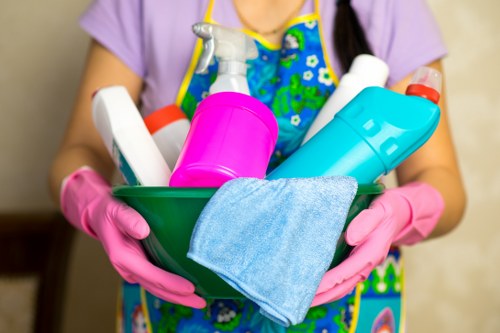
Stain removal plays a major role in keeping spaces looking polished and well cared for. A visible stain can make even a clean room appear neglected, which is why fast and effective stain removal is so important. In homes, it helps protect clothing, carpets, bedding, and furniture. In workplaces, stain removal supports a professional image and contributes to a more hygienic environment.
One of the biggest benefits of stain removal is prevention of permanent damage. Many stains become harder to remove the longer they sit, especially on porous surfaces like fabric, wood, grout, or upholstery. Timely stain removal reduces the chance of discoloration, odor buildup, and fiber damage. That is why experts often recommend addressing spills as soon as possible.
Another reason stain removal matters is cost savings. Replacing stained items is often far more expensive than treating them properly. Whether it is a favorite shirt, a couch cushion, or an office carpet, smart stain removal can extend the useful life of materials and reduce unnecessary replacements. For many people, consistent stain removal is one of the simplest ways to protect household investments.
Understanding the Science Behind Stain Removal

Successful stain removal begins with understanding what kind of stain you are dealing with. Different substances behave differently, and stain removal works best when matched to the stain type. For example, water-based stains such as juice or coffee respond differently from oil-based stains like butter, makeup, or cooking grease. Protein-based stains, such as blood or egg, also require special attention because heat can make them more difficult to remove.
The surface itself also matters. Stain removal on cotton is not the same as stain removal on silk, leather, tile, or carpet. Some materials absorb liquids quickly, while others trap particles in tiny fibers or textures. This means stain removal products and methods must be chosen carefully to avoid spreading the stain or damaging the material.
Temperature, time, and friction all affect stain removal as well. Warm water may help with some stains, while cold water is better for others. Scrubbing too aggressively can push the stain deeper or damage the fibers. The smartest stain removal technique is often a gentle one, repeated as needed, rather than a harsh single attempt. Understanding the stain before treating it is one of the most reliable ways to improve stain removal results.
Stain Removal Basics Everyone Should Know
Before treating any stain, it helps to follow a few basic stain removal rules. These simple steps can improve your results and prevent common mistakes. First, act quickly. The sooner you begin stain removal, the better the chance of success. Second, blot instead of rubbing whenever possible. Blotting lifts liquid from the surface, while rubbing can spread the stain and embed it deeper.
Third, always test cleaning solutions on a hidden area first. This is especially important in stain removal for delicate fabrics, dyed materials, and upholstery. Fourth, use the right water temperature. Cold water is often best for blood, wine, and protein stains, while warm water may work better for grease or soap-based residue. Finally, be patient. Some stain removal processes need several rounds before the mark disappears completely.
Another essential stain removal habit is reading care labels and product instructions. Fabric labels often provide important clues about what cleaning methods are safe. Using the wrong approach can permanently set a stain or damage the material. When in doubt, start with the least aggressive stain removal method and increase strength only if necessary.
Stain Removal for Clothing
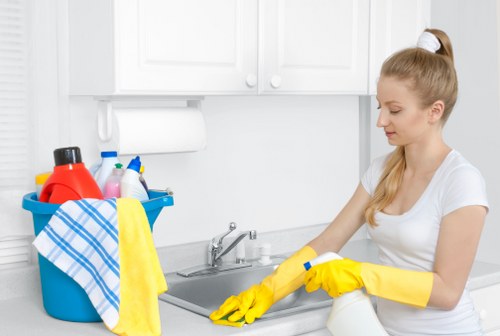
Clothing is one of the most common places where stain removal is needed. Food spills, sweat, makeup, grass, ink, and oil can all leave marks on everyday garments. The good news is that stain removal on clothes is often successful if you treat the area promptly and avoid heat before the stain is gone. Heat from dryers or irons can lock in many stains, making later stain removal much more difficult.
For fresh food or drink stains, start by blotting the excess liquid with a clean cloth or paper towel. Then rinse the back of the fabric with cold water if the material allows it. Apply a small amount of liquid detergent or a stain-specific cleaner and let it sit for several minutes. This basic stain removal method works well on many common stains, especially when repeated before washing.
For tougher stains such as grease, makeup, or ink, stain removal may require a pre-treatment. A grease stain often responds to dish soap because it helps break down oils. Ink stains may benefit from alcohol-based products used carefully on washable fabrics. Always avoid aggressive scrubbing, since this can fray fibers and make the stain more visible. If the item is delicate, hand washing or professional stain removal may be the safest option.
Best Clothing Stain Removal Tips
- Blot fresh stains immediately with a clean cloth.
- Use cold water for blood, wine, and protein-based stains.
- Avoid machine drying until the stain is fully removed.
- Pre-treat heavily stained areas before washing.
- Check the stain after washing before putting the item away.
These clothing stain removal habits can save your favorite pieces from permanent damage. A thoughtful approach makes stain removal more effective and helps garments last longer.
Stain Removal on Carpets and Rugs
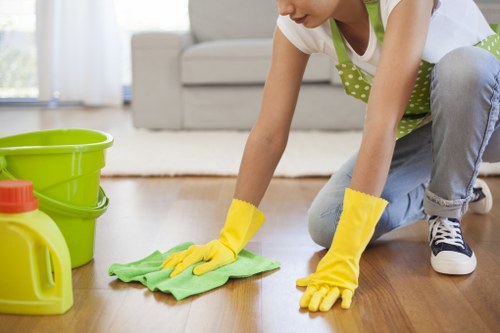
Carpet and rug stain removal can be challenging because fibers trap liquid and particles beneath the surface. The sooner you begin stain removal, the better your results will be. Start by blotting the spill with a dry white cloth to absorb as much as possible. Avoid pressing down too hard, since pressure may push the stain further into the pile.
After blotting, use a carpet-safe cleaning solution based on the type of stain. For many common spills, a mixture of mild detergent and water can work well. Apply lightly, then blot again. For wine, coffee, or juice, some people use a vinegar solution as part of their stain removal routine, but it is always wise to test first to ensure the color remains stable.
Stain removal for carpets also requires thorough drying. Damp carpet can attract dirt and create odor issues, which may lead to new stains or mildew. Use a fan, open windows, or a dehumidifier if necessary. One of the most important rules in carpet stain removal is not to oversaturate the area. Too much liquid can spread the stain or seep into the padding underneath.
Common Carpet Stains and How to Handle Them
- Coffee: Blot, apply mild detergent, and repeat with clean water.
- Wine: Blot immediately and use a carpet-safe stain remover.
- Pet accidents: Absorb moisture first, then use an enzymatic cleaner.
- Mud: Let dry, vacuum loose particles, then treat remaining marks.
- Grease: Sprinkle absorbent powder, then use a suitable cleaner.
With the right process, carpet stain removal can restore freshness without damaging the fibers. Regular maintenance also reduces the chances that a small spill will become a stubborn problem.
Stain Removal for Upholstery and Furniture
Upholstery stain removal requires extra caution because furniture fabrics can be delicate and often cannot be soaked. Before starting, identify the fabric type and check the manufacturer’s care instructions if available. Many upholstered surfaces use specific cleaning codes, and these can greatly influence the safest stain removal method.
When treating upholstery, begin with dry blotting and use minimal moisture. For liquid spills, absorb as much as possible first. Then apply a small amount of cleaner to a cloth rather than directly onto the fabric. This helps control the amount of liquid used in stain removal and reduces the risk of spreading the mark. If the stain is oily, a fabric-safe degreasing product may help.
Upholstery stain removal should also consider the cushion filling underneath. Excess moisture can affect the interior padding, leading to odors or lingering dampness. For this reason, many homeowners prefer spot cleaning, gentle blotting, and professional stain removal for large or persistent marks. Careful, controlled cleaning is almost always better than aggressive treatment on furniture.
Stain Removal on Hard Surfaces
Hard-surface stain removal is often easier than stain removal on fabric, but it still requires the right approach. Kitchen counters, floors, sinks, and tables can all develop stains from food, beverages, soap residue, rust, or mineral deposits. Because these surfaces do not absorb liquids in the same way as fabric, stain removal often focuses on lifting residue and breaking down surface buildup.
For most hard surfaces, start with warm water and mild soap. Wipe the area with a soft cloth or sponge, then rinse and dry thoroughly. For stubborn marks, baking soda paste, vinegar, or a specialty cleaner may help depending on the material. However, not all hard surfaces tolerate acidic solutions, especially natural stone. In stone stain removal, products must be selected carefully to prevent etching or dullness.
Tile and grout stain removal may require brushing because grout lines collect dirt and discoloration. A soft brush can help lift debris without damaging the surface. Stainless steel stain removal often works best with cleaners designed to reduce streaks and restore shine. Wood stain removal is more delicate and usually requires a wood-safe cleaner that does not strip finishes or saturate the grain.
Hard-Surface Stain Removal Checklist
- Identify the material before using any cleaner.
- Use gentle tools that will not scratch the surface.
- Rinse and dry to prevent residue buildup.
- Avoid harsh chemicals on stone, wood, or specialty finishes.
- Repeat stain removal steps gradually rather than using excessive force.
Hard-surface stain removal can restore the appearance of kitchens, bathrooms, and workspaces quickly when handled properly. The goal is not just to remove the stain but to preserve the finish beneath it.
Natural Stain Removal Methods That Work
Many people prefer natural stain removal methods because they are affordable and often already available at home. Baking soda, white vinegar, lemon juice, salt, and mild soap are common choices. These ingredients can support stain removal for a wide variety of everyday marks, especially when used promptly. For example, baking soda can absorb odors and help lift surface residue, while vinegar may help dissolve certain mineral or food-based stains.
That said, natural stain removal is not a one-size-fits-all solution. Some substances react poorly to acids or abrasives, and some fabrics or finishes can be harmed by household ingredients. This is why careful testing is so important. A natural stain removal method that works well on cotton may not be suitable for wool, stone, or leather. The best approach is to combine common sense with caution.
Natural stain removal also works best as part of a broader routine. Regular laundering, immediate blotting, and proper storage all improve results. When paired with the right habits, simple ingredients can become powerful tools for stain removal without relying on strong chemicals.
Popular Natural Options
Baking soda: useful for odors, moisture absorption, and light scrubbing.
White vinegar: often used for water-based stains and residue, though not ideal for every surface.
Salt: can help absorb fresh liquid spills.
Lemon juice: may brighten some stains but should be used carefully.
Mild dish soap: effective for grease-based stain removal on many washable surfaces.
Common Stain Removal Mistakes to Avoid
Even with good intentions, people often make mistakes that reduce stain removal success. One of the most common is waiting too long. Fresh stains are much easier to remove than old ones, so delay can make stain removal more complicated. Another frequent mistake is rubbing instead of blotting. Rubbing spreads the stain and can damage the surface.
Using the wrong product is another issue. Not every stain removal solution works on every material, and some cleaners can cause discoloration or chemical reactions. Applying heat too early is also risky, especially for laundry. If the stain is still visible after washing, do not dry the item yet. Instead, repeat stain removal treatment before exposing it to heat.
Finally, people sometimes use too much cleaner. More product does not always mean better stain removal. Excessive cleaner can leave residue, attract dirt, or create buildup that is difficult to rinse out. The most effective stain removal usually comes from controlled application, proper testing, and careful follow-through.
How to Build a Better Stain Removal Routine
- Keep basic stain removal supplies accessible.
- Treat spills as soon as they happen.
- Use the correct technique for the material.
- Follow care instructions and test cleaners first.
- Review the stain after treatment before assuming it is gone.
When to Choose Professional Stain Removal
While many stains can be handled at home, some situations call for professional stain removal. Delicate fabrics such as silk, wool, or vintage textiles may be too risky to treat without specialized knowledge. Large carpet stains, recurring upholstery marks, and stains caused by dye, ink, or rust may also benefit from expert care. Professional stain removal services often use advanced products and methods that are not typically available for home use.
Professional help is especially useful when a stain has already set or when the material is valuable. In these cases, a cautious approach can prevent irreversible damage. If you are unsure, it is better to seek professional stain removal than to experiment and make the problem worse. This is particularly true for expensive furniture, fine garments, or sensitive surfaces like natural stone.
Choosing professional stain removal does not mean you failed. It simply means the stain is complicated enough to require a higher level of expertise. For many people, combining smart home care with occasional expert help is the best long-term strategy.
Preventing Stains Before They Happen
Prevention is one of the smartest parts of stain removal planning. While no space is completely stain-proof, small habits can reduce the number of spills and make future stain removal much easier. Using coasters, placemats, and protective sprays can help shield surfaces from common accidents. Prompt cleanup also stops liquid from soaking in and creating lasting marks.
In clothing care, sorting laundry properly and treating spots before washing can prevent stain setting. In kitchens, wiping counters quickly after cooking helps avoid grease and food residue. In living spaces, regular vacuuming and routine spot checks make stain removal easier because dirt does not have time to build up. Prevention may not eliminate every stain, but it dramatically improves your odds.
Smart prevention and timely stain removal work hand in hand. The less time a spill has to settle, the easier it is to restore the original look of the material. This is why many cleaning professionals emphasize fast response as the most effective stain removal habit of all.
Simple Prevention Ideas
- Use fabric protectors on appropriate upholstery.
- Keep stain removal supplies nearby.
- Train family members or staff to respond to spills quickly.
- Protect tables, counters, and floors in high-use areas.
- Spot clean regularly instead of waiting for buildup.
Final Thoughts on Effective Stain Removal
Stain removal does not need to be overwhelming. Once you understand the stain type, the surface material, and the right cleaning approach, the process becomes much more manageable. Whether you are handling clothing, carpet, upholstery, or hard surfaces, good stain removal depends on quick action, gentle treatment, and the right product for the job.
By using the techniques shared here, you can improve your stain removal results and reduce the risk of permanent damage. A thoughtful stain removal routine protects your belongings, improves cleanliness, and helps maintain a more comfortable environment. If the stain is especially tough or the material is delicate, do not hesitate to get expert help.
Take the next step today: keep your cleaning supplies ready, respond quickly to spills, and make stain removal part of your regular maintenance habits. Contact us today to learn more about practical stain removal solutions, or book your service now if you need professional assistance with stubborn stains.