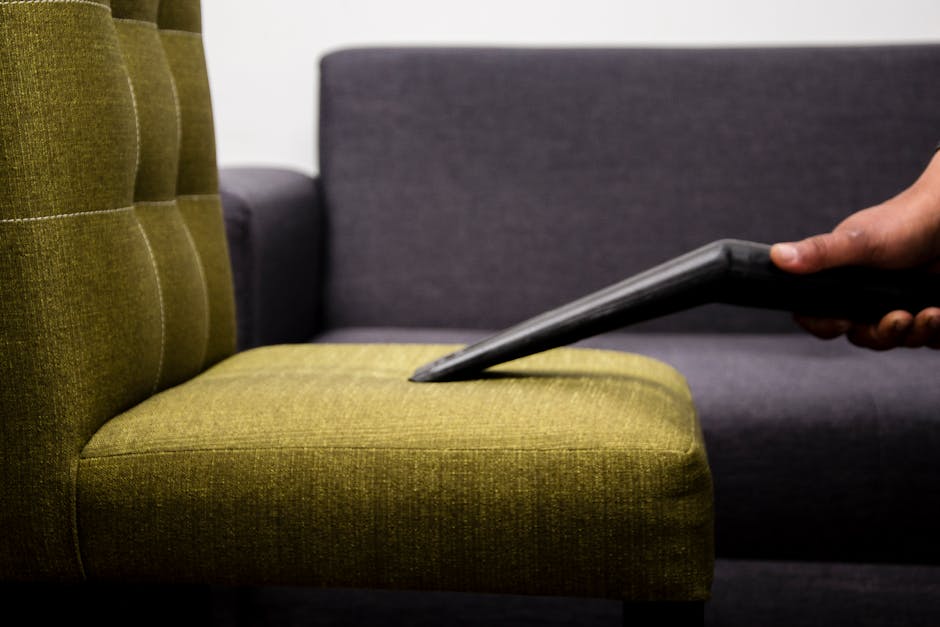
Haringey council upholstery disposal rules for cleaning companies: a practical guide
If you run a cleaning business in Haringey, upholstery disposal can turn into one of those quietly annoying jobs that eats time, creates risk, and can trip up an otherwise smooth service visit. The main issue is simple enough: once a sofa, chair, mattress, or other upholstered item is no longer wanted, you cannot treat it like ordinary rubbish. Haringey council upholstery disposal rules for cleaning companies sit at the intersection of local waste policy, duty of care, recycling expectations, and good client service. Get it right and you protect your team, your customer, and your reputation. Get it wrong and suddenly you are dealing with fly-tipping concerns, missed collections, and awkward questions.
This guide explains the practical side in plain English. You will learn how disposal typically works, what cleaning companies need to check before touching any item, how to reduce friction with clients, and where upholstery cleaning overlaps with reuse, recycling, and responsible waste handling. If you also handle broader fabric care, it may help to look at the company's upholstery cleaning and sofa cleaning services for context on what happens before disposal becomes necessary.
Table of Contents
- Why Haringey council upholstery disposal rules matter
- How the process works in practice
- Key benefits and practical advantages
- Who this is for and when it makes sense
- Step-by-step guidance
- Expert tips for better results
- Common mistakes to avoid
- Tools, resources and recommendations
- Law, compliance, standards and best practice
- Options and comparison table
- Case study or real-world example
- Practical checklist
- Conclusion
- Frequently asked questions
Why Haringey council upholstery disposal rules for cleaning companies Matters
Cleaning companies are often the first professionals to see upholstered furniture in a bad state. A sofa may be water damaged, heavily soiled, infested, mouldy, or simply too worn to keep. That is where disposal decisions start to matter. In a domestic setting, the customer may assume "the council will take it", but in reality the responsibility for handling waste safely and correctly sits with the person or business producing or moving it.
For cleaning companies, that means you need a clear process before you even lift the item. Is it going to be cleaned, moved, stored, donated, recycled, or taken for disposal? If the answer is disposal, the item has to be managed as bulky waste, and if it is contaminated, damp, or infested, the handling becomes more sensitive. The practical risk is not just a bin-bag issue. Upholstered waste is bulky, awkward, and sometimes messy. One damp armchair can make a van smell like a wet coat cupboard for days. Not ideal.
There is also a customer trust angle. People tend to notice how a business handles the awkward bits. If you explain disposal clearly, separate salvageable items from waste, and avoid casually dumping furniture in the wrong stream, you come across as organised and responsible. That matters in a local borough like Haringey, where residents and businesses increasingly expect waste to be handled properly and with some thought for sustainability. The company's recycling and sustainability approach is relevant here, because upholstery disposal should not automatically mean landfill, even if that is sometimes the final destination.
Expert summary: the core idea is not complicated. Cleaning companies should treat upholstery disposal as a planned waste-handling task, not as an afterthought. Confirm ownership, decide whether the item can be reused, follow the right collection route, and keep a record of what happened. That simple habit prevents most problems.
How Haringey council upholstery disposal rules for cleaning companies Works
Let's be fair: council waste systems are rarely written in a way that feels especially friendly to busy trade teams. But the process becomes manageable once you break it down.
In practical terms, a cleaning company in Haringey usually faces one of four scenarios:
- The upholstery is being cleaned and returned, so no disposal is needed.
- The client wants the item removed because cleaning would not restore it.
- The item is too damaged, contaminated, or unsafe to keep.
- The item is being replaced after a cleaning or restoration job.
Once disposal is on the table, the company should determine whether the item qualifies for bulky waste handling, whether a reuse route is possible, and how the material should be separated if it contains mixed components. Upholstery often combines wood, foam, textiles, metal springs, staples, and adhesives. That mix makes it more complicated than people expect. A chair is not just "a chair"; it is several waste streams glued into one object, which is why careful handling pays off.
In many real-world cases, a cleaning company will not itself "dispose" of the item in the sense of leaving it at the kerb. Instead, it may collect it from the client's property, move it into a vehicle, and transfer it to an authorised disposal or recycling route. The key point is that the business must make sure the collection and transfer are lawful and sensible. If the item is contaminated by pests, body fluids, mould, or heavy staining, the company should review the risks before touch points increase. That is where services such as stain removal or pet stain and odour removal may be used earlier in the chain to avoid unnecessary disposal.
For businesses operating in London, there is another practical layer: access and timing. Terraced homes, flats, tight stairwells, and shared entrances are common. In those spaces, a bulky sofa can become a logistics puzzle. You need safe manual handling, enough labour, and a tidy plan. Otherwise the job becomes noisy, slow, and frankly a bit embarrassing.
Key Benefits and Practical Advantages
Following the proper disposal route is not just about avoiding trouble. It actually makes the business run better. Here are the benefits that show up in everyday work.
- Less risk of complaints: customers are far less likely to complain when you explain the disposal route, the timeline, and what happens to the item after collection.
- Better compliance: waste handling is one of those areas where tidy paperwork and sensible checks really matter.
- Cleaner operations: when items are categorised before collection, vans stay cleaner, teams waste less time, and handovers are easier.
- More trust: a professional approach signals that you care about more than just the clean itself.
- Improved sustainability: if reuse or recycling is possible, that is generally better for the environment and often better for your brand too.
There is also a practical sales advantage. Customers often ask, "Can you take the sofa away?" If your answer is clear and policy-led, you remove uncertainty. That can help jobs close faster, especially for landlords, letting agents, offices, and hospitality clients who want a one-stop solution. If you handle commercial sites as well, the expectations are usually even higher, so having a robust commercial carpet cleaning process and similar waste procedures helps keep everything aligned.
Key takeaway: a consistent upholstery disposal process saves time on site, reduces operational friction, and makes your business look far more dependable than one that improvises every collection.
Who This Is For and When It Makes Sense
This topic matters most for cleaning companies, but the practical audience is broader than that. If you work in any role that touches property clearance, end-of-tenancy cleaning, refurbishment, or estate management, the same issues come up.
You will usually need a clear disposal approach if you are:
- a domestic cleaning company removing damaged soft furnishings after a clean;
- a specialist upholstery cleaner dealing with irrecoverable furniture;
- a landlord or letting agent organising clearance between tenancies;
- a facilities or office manager replacing worn seating;
- a carpet and soft furnishings company offering bundled services;
- a restoration or stain-treatment business deciding whether an item is still worth saving.
It makes sense to review disposal rules before the job, not after the van is already outside. That sounds obvious, but anyone who has carried a wet sofa downstairs at 5pm while trying to find out whether the client still wants it will know the pain. No one enjoys that moment. Not the cleaner, not the client, not the neighbours listening through the wall.
There are also cases where disposal is the sensible outcome from the start. If a sofa has deep-set odours, long-term water damage, or structural failure, trying to clean it may waste time and create false hope. In those situations, a brief inspection and honest advice are worth more than a long promise. Some jobs are salvageable; some just are not.
Step-by-Step Guidance
Here is a practical workflow that cleaning companies can adapt for Haringey jobs. It is simple enough to use in the field, but structured enough to prevent mistakes.
- Inspect the item before quoting disposal. Check size, condition, contamination, access issues, and whether it might still be cleaned or donated.
- Ask who owns the item. This sounds basic, but you should never remove furniture without clear permission from the lawful owner or occupier.
- Separate cleaning from disposal decisions. If the item can be restored, offer a cleaning route first. If not, move to disposal planning.
- Check whether the item contains mixed materials or hazards. Damp fabric, infestation, needles, sharps, bodily contamination, or electrical components all need extra caution.
- Choose the correct route. That may mean reuse, recycling, bulky waste collection, or transfer to a licensed waste facility via your own operational system.
- Prepare the item for handling. Remove loose debris, wrap where appropriate, and make sure your team can move it safely.
- Document the handover. Keep job notes, customer approval, collection details, and any waste transfer information your business needs.
- Review the outcome. After the job, note what went well and what created delays. Small improvements add up quickly.
On a straightforward domestic job, that process might take ten minutes of planning and save an hour of confusion. On a larger property, especially a managed building, it can save an argument. Truth be told, that is worth a lot.
Expert Tips for Better Results
After a while, you notice that upholstery disposal is less about heavy lifting and more about judgement. The best operators build a few habits that keep things clean and calm.
- Use a two-question script on every job: "Do you want this cleaned if possible?" and "If not, do you want removal arranged?" It keeps the decision crisp.
- Photograph the item before movement: especially useful for damaged, stained, or disputed items.
- Protect common areas: hallways, lifts, and door frames take a beating when bulky items are moved carelessly.
- Know when to stop pushing for cleaning: if the foam is degraded or the frame is broken, the honest answer is usually disposal.
- Bundle services intelligently: an upholstery job, a rug clean, or a carpet clean can often be scheduled together to reduce site visits.
If you handle fabric furnishings regularly, linking the disposal conversation to cleaning options keeps the customer experience smooth. A client may not need a full replacement after all. Sometimes a properly assessed chair can be saved with steam cleaning or a targeted carpet cleaning visit to the surrounding area, which avoids throwing away something that still has useful life left in it.
One more thing. Keep your language simple with customers. People do not want a lecture about waste streams at 8 in the morning. They want to know: can it be cleaned, can it be removed, and what will it cost? Answer those clearly and you are already ahead.
Common Mistakes to Avoid
Most disposal problems come from a short list of avoidable errors. The good news is that once you know them, they are easy to spot.
- Assuming the council will collect everything automatically. Bulky furniture usually needs proper arrangement and may have conditions attached.
- Removing items without written or clearly recorded permission. That can create disputes, especially in shared properties or managed lets.
- Mixing reusable items with waste too early. If something can be donated or recycled, do not contaminate it needlessly.
- Ignoring contamination. Mould, pests, bodily fluids, and strong odours are not cosmetic issues; they change how the item should be handled.
- Underestimating access difficulties. Narrow stairs and awkward corners can turn a simple job into a damaged-wall situation very quickly.
- Not keeping records. If you cannot show what was collected and why, you make life harder for yourself later.
There is also a softer mistake that matters just as much: overpromising. If a sofa is visibly beyond saving, say so. The customer may not love hearing it, but they will usually respect honesty more than a hopeful guess that turns into disappointment.
Tools, Resources and Recommendations
You do not need a huge kit to handle upholstery disposal well, but a small set of practical tools makes a big difference.
- Heavy-duty gloves: for safe handling and cleaner grip.
- Protective wraps or covers: useful when moving dirty or damp items through the property.
- Straps and dollies: essential for heavier sofas or armchairs.
- Basic condition checklist: a short form or mobile note template helps staff decide what to do quickly.
- Job photos: good for internal records and customer clarity.
- Team briefing sheet: especially helpful when multiple operatives are on-site.
From a service perspective, it also helps to align disposal conversations with your wider policies. If your business already publishes clear pages on health and safety, insurance and safety, and terms and conditions, customers usually feel more comfortable asking awkward questions. That is a good thing. An informed customer is usually a calmer customer.
And if you need to keep the business side tidy, it helps to be upfront about commercial expectations. Some jobs are simple fixed removals. Others need a quote after inspection. A transparent pricing and quotes page can prevent confusion before it begins.
Law, Compliance, Standards, or Best Practice
Because this topic touches waste, safety, and service handling, it is wise to be careful rather than overly absolute. In the UK, businesses involved in removing and disposing of upholstered items should follow the usual principles of responsible waste management, safe handling, and clear customer authorisation. That means checking the item, knowing where it goes, and being able to show that you acted sensibly.
For cleaning companies, the practical compliance questions are usually these:
- Do we have the customer's permission to remove the item?
- Can we safely move it without causing damage or injury?
- Are we treating it as waste, reusable goods, or both in stages?
- Do we have the right internal records for the transfer?
- Have we considered any contamination or hazard issues?
Best practice also means thinking beyond the minimum. If the item could be reused, assess that first. If it cannot, then make sure disposal is orderly. If you are dealing with business premises, add a little more rigour, because commercial clients tend to expect it. That is where a reliable approach across service lines such as curtain cleaning, rug cleaning, and mattress cleaning helps create consistency. Different item, same mindset.
One subtle point: if an upholstery item is contaminated, do not treat it casually just because it looks small. Size is not the issue; exposure is. A small stool with heavy biological contamination can be more troublesome than a large but clean sofa. That catches people out now and again.
Options, Methods, or Comparison Table
Cleaning companies usually have three broad options when dealing with unwanted upholstery. The best choice depends on the condition of the item, the customer's priorities, and the logistics of the site.
| Option | Best for | Pros | Watch-outs |
|---|---|---|---|
| Clean and return | Items with surface dirt, localised stains, or minor odours | Lowest waste, often cheapest for the client, keeps usable furniture in service | Not suitable if the structure is damaged or contamination is severe |
| Reuse or donation route | Furniture in usable condition with acceptable appearance and safety | Supports sustainability and reduces disposal pressure | Needs a realistic quality check; not every item is fit to pass on |
| Bulky waste disposal | Irrecoverable, unsafe, or unwanted items | Clear end point, usually simplest operationally | Must be handled properly, with good permission and records |
In practice, many jobs move from left to right. A cleaner inspects an item, realises it is beyond useful restoration, and then the business explains the disposal options. That decision path is normal. It is not a failure. Sometimes the best service is helping the customer avoid spending money on a lost cause.
Case Study or Real-World Example
A typical Haringey scenario goes like this. A tenant moves out of a flat and leaves behind a tired three-seater sofa. The customer calls a cleaning company for end-of-tenancy support and asks whether the sofa can be saved. On inspection, the upholstery has deep staining, the foam has collapsed, and there is a lingering smell that has settled into the fabric. You can almost sense it before you even get close. Not pleasant.
The cleaner checks access, confirms the sofa belongs to the outgoing tenant, and explains that a surface clean would not solve the underlying problem. Rather than promising a miracle, the company offers a removal route and documents the agreement. The team protects the hallway, moves the sofa carefully, and arranges disposal through the business's normal waste process. The result is simple: the customer gets the property back on track, the cleaner avoids wasted effort, and the job closes cleanly.
Now compare that with a better-condition chair in a small office. The fabric is marked, but the frame is fine and the smell is minor. In that case, the cleaner might suggest treatment first, perhaps alongside a broader stain removal plan. Same borough, same broad topic, different outcome. The real skill is knowing which route fits the object in front of you.
Practical Checklist
Use this quick checklist before moving any upholstered item for disposal or removal.
- Have I confirmed who owns the item?
- Have I checked whether cleaning is still a realistic option?
- Is the item contaminated, damaged, damp, or infested?
- Do I know whether reuse, recycling, or disposal is the right route?
- Has the customer clearly approved removal?
- Do I have enough people and the right equipment to move it safely?
- Have I protected floors, walls, and shared areas?
- Have I recorded the condition and the handover?
- Does the item need wrapping or special handling?
- Have I explained any cost or timing implications before starting?
If you can tick most of those boxes, you are usually in good shape. If several are unclear, pause and sort them out first. A short delay beats a messy dispute every time.
Conclusion
Haringey council upholstery disposal rules for cleaning companies are really about disciplined handling, clear ownership, sensible routing, and honest communication. Once you strip away the jargon, the job is straightforward: assess the item, decide whether it can be saved, move it safely if it cannot, and keep proper records. That approach protects your business and makes life easier for the customer too.
The companies that do this well tend to feel calm, even when the job itself is not. They know when to clean, when to remove, and when to say no to unrealistic expectations. That is what professionalism looks like in the real world, not just on a website. And honestly, clients notice.
Get a free quote today and see how much you can save.
If you want to present your business more clearly to customers while keeping your operations tidy, it helps to have a transparent service structure and strong company information, including pages like about us and contact us. Little things add up. They really do.
Frequently Asked Questions
Can a cleaning company remove upholstered furniture in Haringey?
Yes, if the company has the customer's permission and a proper process for handling, transporting, and disposing of the item. The key is not just lifting it away, but doing so responsibly and with clear records.
Do Haringey council upholstery disposal rules apply to all soft furnishings?
In practical terms, similar waste-handling principles apply to most upholstered items, including sofas, chairs, armchairs, and some mattresses. The exact route may vary depending on size, condition, and contamination.
What if the sofa still looks usable?
If it is in reusable condition, the cleaner should consider a reuse or donation route before disposal. A quick assessment can save the customer money and reduce waste.
Can I leave a sofa on the pavement for collection?
No, not unless it has been arranged through the correct collection process. Leaving bulky waste out casually can create problems and may be treated as improper disposal.
What should I do if the upholstery is mouldy or infested?
Treat it cautiously and avoid casual handling. Contaminated items need a more careful assessment because they can affect safety, hygiene, and the choice of disposal route.
How do I know whether to clean or dispose of an item?
Look at the structure, the fabric condition, the extent of staining, odour, and the customer's expectations. If the frame or filling is failing, disposal is often the better option.
Do I need written permission to remove furniture?
It is strongly advisable to have clear permission, even if it is simple job notes or written confirmation. That avoids arguments later, especially in rented or shared properties.
Is upholstery disposal expensive for cleaning companies?
Costs vary depending on the size of the item, access, handling complexity, and disposal route. The most efficient approach is to quote after inspection rather than guessing.
Can a cleaning company offer disposal as part of an upholstery clean?
Yes, many businesses bundle the two services, but they should clearly explain what is included. Cleaning and removal are related, but they are not the same task.
What records should a cleaning business keep?
At minimum, keep customer approval, photos where useful, job notes, and internal records showing where the item went. Good paperwork is boring, but it saves headaches.
How can I make my business look more professional in these jobs?
Have a clear process, explain the options calmly, protect the property during removal, and be honest about what can and cannot be restored. Customers trust clarity more than clever wording.
Where should I start if I also offer carpet or fabric cleaning?
Build your disposal decision into the same service conversation as cleaning. Pages such as carpet cleaning, upholstery cleaning, and related fabric-care services help show customers that you understand the full lifecycle of the item, not just the stain on the day.