Stubborn stain removal in Haringey common problems and fixes
If you have ever stared at a dark coffee ring, a greasy patch, or a mystery mark that simply will not budge, you will know the feeling. It is annoying, a bit deflating, and usually seems worse in daylight. This guide to stubborn stain removal in Haringey common problems and fixes is written for exactly that moment. It explains why certain stains resist normal cleaning, what goes wrong in the process, and how to tackle them sensibly without making the mess bigger.
Whether the problem is on carpet, upholstery, a rug, a mattress, or curtains, the same basic rule applies: the sooner you act, the better your chances. But there is more to it than speed. Fibre type, stain source, water temperature, and the wrong cleaning product can all change the outcome. Let's make it practical.
Expert summary: the best stain removal is rarely about scrubbing harder. It is about identifying the stain, choosing the right method, and avoiding damage to the fabric beneath it.
Table of Contents
- Why stubborn stain removal matters
- How the removal process works
- Key benefits and practical advantages
- Who this is for and when it makes sense
- Step-by-step guidance
- Expert tips for better results
- Common mistakes to avoid
- Tools, resources and recommendations
- Law, compliance, standards, or best practice
- Options, methods, or comparison table
- Case study or real-world example
- Practical checklist
- Conclusion
- Frequently asked questions
Why Stubborn stain removal in Haringey common problems and fixes Matters
Stains are not just cosmetic. In busy homes across Haringey, they can create odours, attract more dirt, and make a room feel less cared for than it really is. A small spill on a sofa arm can become a permanent looking patch if it is left to settle. A wet mark on carpet can wick back up after drying. A food stain on upholstery can turn sticky and gather dust around the edges. That little crescent shape you can see is often only part of the problem.
There is also a confidence issue. People often try a quick fix, see no result, and assume the fabric is ruined. Truth be told, many stubborn marks are still treatable, but the method matters. Haringey homes often deal with high footfall, pets, takeaway spills, and winter mud. That combination creates a lot of mixed stains: oil plus pigment, drink plus sugar, pet mess plus odour. Mixed stains are trickier because one cleaner does not solve everything.
For landlords, tenants, families, and local businesses, this matters for a simple reason: a successful clean protects the material underneath. It can extend the life of carpet and upholstery, reduce replacement costs, and keep spaces looking presentable. If you are dealing with a deeper fabric issue, it can help to understand the broader service options too, such as specialist stain removal support or more targeted care like upholstery cleaning and carpet cleaning.
How Stubborn stain removal in Haringey common problems and fixes Works
Good stain removal works in stages. First, you identify what you are dealing with. Oil-based marks behave differently from tannin stains like tea, and both behave differently from protein stains such as food, milk, or pet accidents. That distinction is not just theory. It changes the cleaning chemistry.
Next, you match the method to the surface. A wool carpet, a synthetic rug, a velvet sofa, and a mattress cover do not all tolerate the same treatment. Water amount matters. Heat matters. Agitation matters. Over-wetting is one of the most common reasons a stain seems to disappear, then return later. That ugly shadow is often called wicking, and it happens when residue from deeper in the fibre rises as the surface dries.
Then comes dwell time. A stain remover needs time to work, but not so much that it dries into the fabric. This is where people often go wrong. They spray, rub, wait, and then discover a patchy ring. Not ideal.
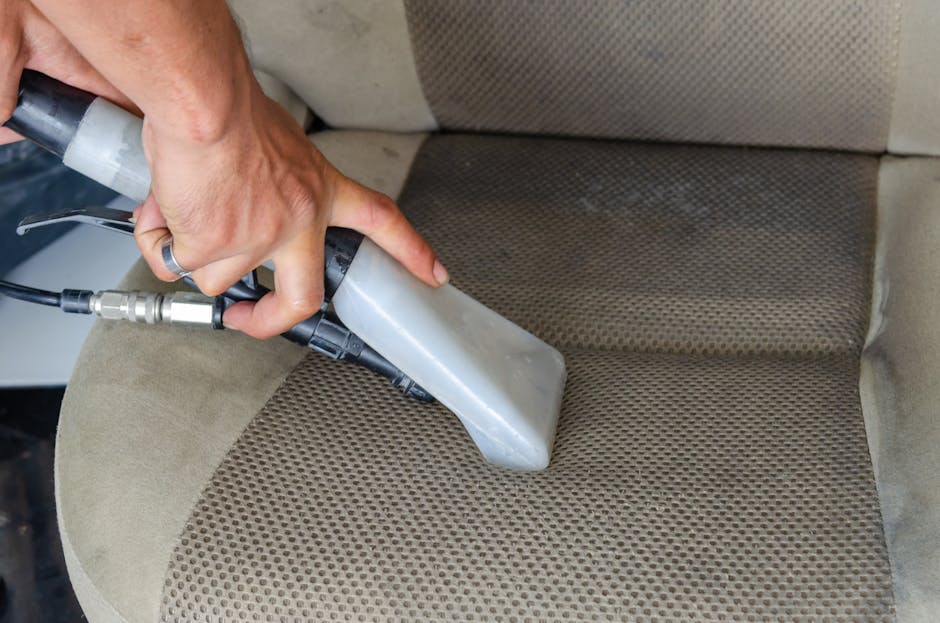
In many cases, stubborn stain removal involves controlled spot treatment followed by extraction or rinsing. Steam can help with some carpet and upholstery soils, though not every mark responds well to heat. For that reason, some jobs benefit from a professional-grade approach like steam carpet cleaning, while pet-related issues may need the added attention of pet stain and odour removal.
Common stain types and what they usually need
- Coffee and tea: fast blotting, mild detergent action, and careful rinsing.
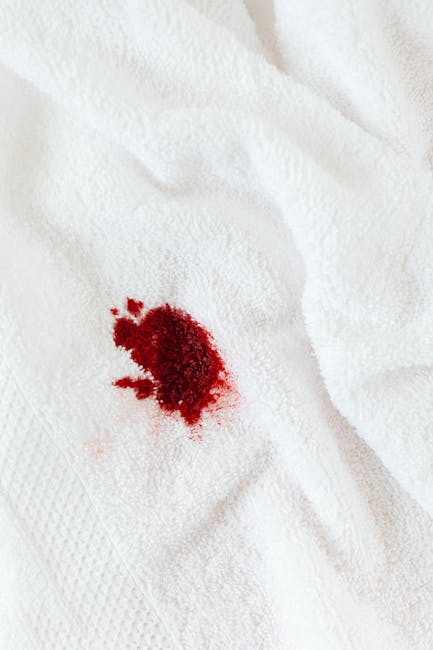
- Red wine: immediate absorption, then a stain-breaking treatment suited to the fibre.
- Grease and oil: a solvent or emulsifying cleaner rather than plain water.
- Pet accidents: enzyme action and odour control, not just a surface wipe.
- Mud: drying first, then vacuuming and controlled cleaning.
- Ink and dye: specialist treatment; these can spread quickly if handled badly.
Key Benefits and Practical Advantages
When stain removal is done properly, the gains are bigger than most people expect. It is not only about making the mark vanish. It is about protecting the room and making everyday life easier.
- Better appearance: rooms look cleaner, brighter, and more cared for.
- Longer material life: removing soils early can reduce fibre wear and patchy fading.
- Less odour: especially important for spills, pets, and food stains.
- Better hygiene: stains can hold bacteria, dust, and allergens, particularly on soft furnishings.
- Lower replacement pressure: a treated item may stay usable for years longer.
- More confidence in guests or tenants: nobody enjoys apologising for a visible mark on the sofa.
There is also a practical side that people sometimes forget. If you clean a mark badly, it can spread, bleach, distort pile direction, or leave a ring that is more obvious than the original stain. So, yes, getting it right first time saves hassle. A lot of it.
Who This Is For and When It Makes Sense
This guide is for anyone in Haringey who has a stain they would rather not explain away. Homeowners, renters, landlords, letting agents, pet owners, and local business managers all run into the same basic challenge, just in slightly different settings.
It makes sense to try a careful spot clean when the stain is fresh, small, and on a surface you understand. A tea splash on a synthetic carpet edge is one thing. An old greasy mark on a wool rug is another story entirely. If you are unsure what the fabric is, or the stain has already been rubbed and dried in, caution is the better move.
There are some situations where a specialist is simply the sensible route:
- the stain has been there for days or weeks
- the fabric is delicate or expensive
- the area has a smell as well as a visible mark
- the stain keeps reappearing after cleaning
- the item is in a high-traffic space and needs a deeper refresh
For broader care across different surfaces, a combined approach can be useful, such as rug cleaning for decorative floor pieces or sofa cleaning for seating that has absorbed everyday grime.
Step-by-Step Guidance
Below is a sensible, low-risk process for tackling stubborn marks at home. It is not glamorous. It works better than enthusiasm and a bottle of whatever is under the sink.
- Identify the stain. Think about what caused it. Coffee, grease, pet urine, ink, makeup, sauce, mud? The source changes the approach.
- Check the fabric. Look for care labels or material clues. Wool, silk, viscose, and antique fibres need more caution than many synthetics.
- Blot first. Use a clean white cloth or paper towel. Press gently. Do not rub the stain deeper in.
- Test a hidden area. A small inconspicuous patch helps you spot colour bleed, fibre distortion, or residue.
- Apply the right cleaner sparingly. Use the smallest amount needed. Too much liquid can drive the stain down into the backing.
- Work from the outside in. This helps stop the stain spreading into a wider halo.
- Blot again and rinse carefully. Remove residue, because leftover cleaner can attract dirt later.
- Dry properly. Use ventilation and, if suitable, a fan. Damp fibres can smell musty and may wick the stain back.
- Inspect after drying. Some marks only show their true state once fully dry. Annoying, but useful.
Common Haringey problem scenarios and fixes
A few recurring ones crop up again and again. Tea on a cream carpet in a front room. Grease on a dining chair after a family meal. Pet accident on a hallway runner. Mud on a rug near the door after a wet morning. Each one needs a slightly different fix, and the trick is resisting the temptation to use the same method for all of them.
If the stain is on a mattress or headboard, do not flood it. That is a classic mistake. Surface moisture only, then thorough drying. For mattresses in particular, a deeper treatment may be more appropriate, which is where mattress cleaning becomes relevant.
Expert Tips for Better Results
Here are the little things that tend to make the biggest difference. The sort of details people rarely mention until the job has gone wrong.
- Use white cloths, not coloured ones. Coloured towels can transfer dye.
- Work slowly. Fast scrubbing usually makes things worse.
- Deal with edges carefully. The outer ring of a stain can be as important as the centre.
- Dry between treatments. Repeatedly soaking the area is a false economy.
- Mind the backing. On carpets and upholstery, the underside can hold residue even after the top looks clean.
- Separate odour from appearance. A stain can look gone while the smell remains, especially with pets.
One useful habit is to keep a simple clean-up kit in the house. Nothing fancy. A few white cloths, a gentle detergent, gloves, and a small spray bottle with plain water. That's enough for many fresh spills. Not every drama needs a big performance.
If you are cleaning business premises, timing and safety become even more important. Office carpets, reception seating, and communal areas often need a method that dries quickly and avoids disruption. In those situations, commercial carpet cleaning may be the better fit.
Common Mistakes to Avoid
Most stain damage happens because of well-meant but rushed decisions. Here are the repeat offenders.
- Rubbing aggressively: this can distort fibres and spread the stain.
- Using too much water: especially risky on carpets, sofas, and mattresses.
- Mixing cleaners: never assume products are safe together.
- Skipping a patch test: a tiny test spot can save a lot of regret.
- Using heat too soon: heat can set some stains, particularly protein-based ones.
- Leaving residue behind: cleaner residue often attracts dirt again.
- Ignoring odour: smell usually means the job is not fully done.
Another one, and this happens all the time, is reaching for the strongest product because the stain looks stubborn. Stronger is not always better. In fact, it can bleach the fabric or create a lighter patch that is harder to hide than the original stain. Slightly annoying, yes. Very avoidable, also yes.
Tools, Resources and Recommendations
You do not need a warehouse of equipment to get good results. You do need the right basics and a bit of discipline.
| Tool or product | Best use | Notes |
|---|---|---|
| White microfibre cloths | Blotting and lifting moisture | Best for avoiding dye transfer |
| Soft brush | Gentle agitation on durable fibres | Use lightly; do not scrub |
| Spray bottle | Controlled application of water or diluted cleaner | Helps prevent over-wetting |
| Wet vacuum or extraction tool | Pulling moisture from carpet | Useful for deeper carpet treatments |
| Odour treatment products | Pet and food-related smells | Choose products suited to the stain type |
For delicate fabrics and special items, it is usually safer to look at the right service rather than improvising. Curtains, for example, can hold dust and marks without looking obviously dirty until light hits them in the afternoon. If that sounds familiar, curtain cleaning may be worth considering. Sofas and other soft furnishings may also benefit from upholstery cleaning when stains are more widespread than they first appear.
Law, Compliance, Standards, or Best Practice
For most homeowners, the main issue is not legal compliance but safe practice. Still, good cleaning work should follow sensible UK expectations around health and safety, product use, and care for the item being treated. If a cleaning task involves chemicals, ventilation, gloves, or any risk of slip hazards from damp floors, that should be handled carefully.
In shared buildings, rented homes, and commercial settings, it is also wise to avoid methods that could create a trip hazard, strong fumes, or unnecessary moisture damage. Good practice means patch testing, using suitable products for the material, keeping the area ventilated, and drying surfaces properly. If you are using a professional service, it is reasonable to ask whether the company has clear safety procedures and insurance in place. That is just sensible due diligence.
You can also review general service information such as insurance and safety, health and safety policy, and terms and conditions before booking. For pricing transparency, pricing and quotes can help set expectations, and if you prefer to discuss a specific issue directly, contact us is the obvious next step.
Options, Methods, or Comparison Table
There is no single best method for every stain. Here is a practical comparison to help you choose the right starting point.
| Method | Best for | Pros | Limitations |
|---|---|---|---|
| Blotting and mild spot treatment | Fresh spills, light marks | Low risk, cheap, quick | May not lift old or oily stains |
| Enzyme-based treatment | Pet accidents, food residues | Targets organic matter and odour | Needs proper dwell time and drying |
| Solvent or degreasing treatment | Grease, makeup, oily food | Breaks down oil-based residue | Must suit the fabric or it can mark it |
| Hot water extraction | Deep carpet soil and some upholstery staining | Good overall clean, lifts residue well | Too much moisture can cause issues |
| Professional specialist treatment | Old, delicate, or recurring stains | Better control, lower risk of damage | Costlier than DIY |
For many households, the decision is simple: try the safest home method first if the stain is fresh, then stop if it is not improving. If the mark is old, precious, or awkward, professional treatment is usually the calmer route. Honestly, that calm matters more than people think.
Case Study or Real-World Example
A typical local example goes like this. A family in Haringey notices a dark patch on a light living room carpet after a weekend get-together. At first glance it looks like one stain, but on closer inspection it is a mix of red wine, a little sauce, and some foot traffic that has pressed the spill into the pile. They try a quick wipe with a kitchen cleaner. The mark lightens slightly, then dries with a pale ring.
What usually helps at that point is stepping back and treating the whole affected area rather than just the centre. The cleaner needs to remove residue, even out the patch, and dry the carpet properly. In some cases a repeated ring means the stain has wicked from below, so a deeper extraction approach is more effective than another round of surface wiping.
A similar thing happens with pet accidents on rugs. The visible mark may not be huge, but the smell tells the real story. That is where odour treatment matters as much as stain removal. If the smell lingers, the job is only half done. A good result should look and smell clean, not just look better for a day or two.
Practical Checklist
Use this quick checklist before you start. It saves time and, more importantly, avoids silly mistakes.
- Identify the stain source if possible
- Check the fabric type and care guidance
- Blot gently with a clean white cloth
- Test your cleaner in a hidden spot
- Use the smallest effective amount of liquid
- Work from the outside of the stain inward
- Rinse or blot away residue
- Allow full drying with ventilation
- Recheck for rings, smell, or colour change
- Stop and seek specialist help if the stain spreads or the fabric reacts badly
If the item is a high-value rug, a favourite sofa, or a mattress that has already been soaked once, the safest move may be to hand it over to a service that deals with stubborn stain removal every day. Sometimes the expert answer is simply the less stressful answer.
Get a free quote today and see how much you can save.
Conclusion
Stubborn stain removal in Haringey common problems and fixes comes down to three things: understanding the stain, respecting the fabric, and not rushing the process. Most failed attempts happen because people use the wrong product, too much moisture, or too much force. Most successful results come from patience, the right method, and proper drying.
That is the real takeaway. A stain is not always permanent, but it is often more complicated than it first looks. If you treat it carefully, you have a far better chance of saving the item and avoiding repeat marks. And if it turns out to be a tougher job than expected, that is not a failure. It just means the problem needed the right level of attention. Happens all the time.
Frequently Asked Questions
What is the best first step for stubborn stain removal at home?
Blot the stain gently with a clean white cloth and identify what caused it if you can. Then test a small hidden area before applying any cleaner. That first pause saves a lot of trouble.
Why does a stain come back after cleaning?
This is often wicking. Moisture carries residue up from deeper in the carpet or upholstery as it dries, so the stain appears to return. A better rinse and deeper extraction usually help.
Can I use hot water on every stain?
No. Heat can help some stains but set others, especially protein-based marks such as milk, egg, or some food spills. When in doubt, start cooler and milder.
Are carpet stains and upholstery stains treated the same way?
Not exactly. The cleaning principles are similar, but upholstery can be more delicate and less tolerant of moisture. The fabric construction matters a lot.
What should I do if I spill red wine on a rug?
Blot immediately, avoid rubbing, and keep the area from drying with the stain still active. Then use a suitable treatment for the rug fibre. Older wine marks are harder, but not always hopeless.
How do I remove pet stains and smell from soft furnishings?
Pet accidents usually need both stain treatment and odour treatment. A surface wipe alone often leaves smell behind, which can encourage repeat accidents in the same spot.
Is steam cleaning safe for all stains?
No. Steam cleaning can be very effective on many carpets, but some stains and fabrics react badly to heat or moisture. It is best used when the surface and stain type suit it.
When should I stop trying DIY stain removal?
If the stain spreads, the colour changes, the fabric feels rough, or the smell remains after cleaning, stop there. That is usually the point where a specialist approach makes more sense.
Will professional stain removal always work?
Not always. No honest provider can promise that every stain will disappear completely, especially if it is old or has been previously treated badly. But the chances are usually much better than with guesswork.
How can I prevent stains setting in the first place?
Act fast, blot rather than rub, and keep a basic cleaning kit nearby. A little routine care goes a long way, especially in busy homes and households with pets.
Does professional cleaning help with mattresses and curtains too?
Yes, if the stain and fabric suit the method. Mattresses and curtains often need a more careful approach because they can hold moisture, dust, and odours in different ways.
How do I know whether a stain has damaged the fabric permanently?
If the mark remains after proper cleaning, or if the pile, colour, or texture has changed, some damage may be permanent. Even then, improvement is often possible, and sometimes a visible reduction is enough to make the item usable again.
For a friendly, practical next step, explore the site's specialist cleaning options, review the safety and pricing details, and choose the approach that fits your fabric rather than forcing a one-size-fits-all fix. A little care now can save a lot of bother later, and that's usually the win.